

Since I was a teen, my guilty pleasure has been obsessing over hot boy bands - specifically, talented (and undeniably attractive) Asian boys. From 2nd generation K-pop groups to early 2000s J-pop, to global phenomenon BTS, I’ve loved them all. But even as K-pop has exploded into the mainstream, being part of a fandom has often felt like a niche, slightly embarrassing obsession - something the wider world wouldn’t quite understand or take seriously. That is, until I watched a few films by Asian female directors that explored this very experience.
I recently watched KPop Demon Hunters on Netflix, a phenomenal musical that explores shame and self-acceptance through the vibrant lens of K-pop. As a veteran fan of the genre, I adored the movie - not just for its creative production and catchy soundtrack, but for how well it addresses the theme of embracing one’s truth. It reminded me of another animated movie by a fellow Asian female director that I love: Turning Red, a whimsical story about Mei Lee, a Chinese Canadian teenager navigating her identity, her obsession with a boy band, and her fear of disappointing her mother.
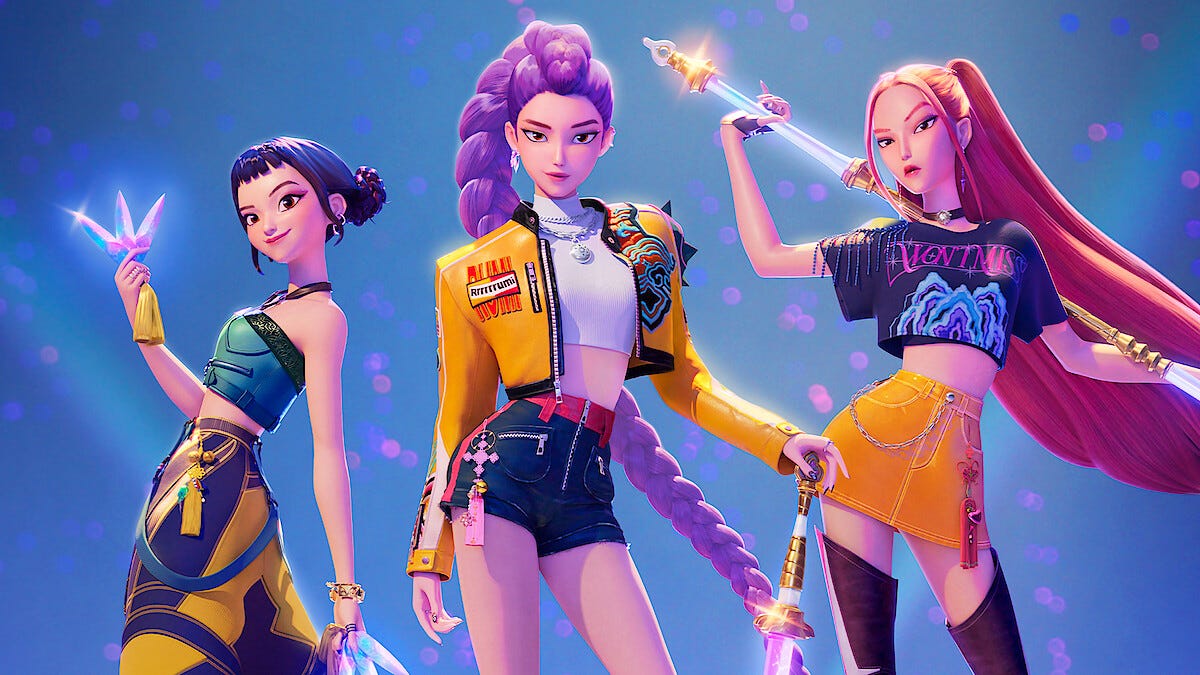
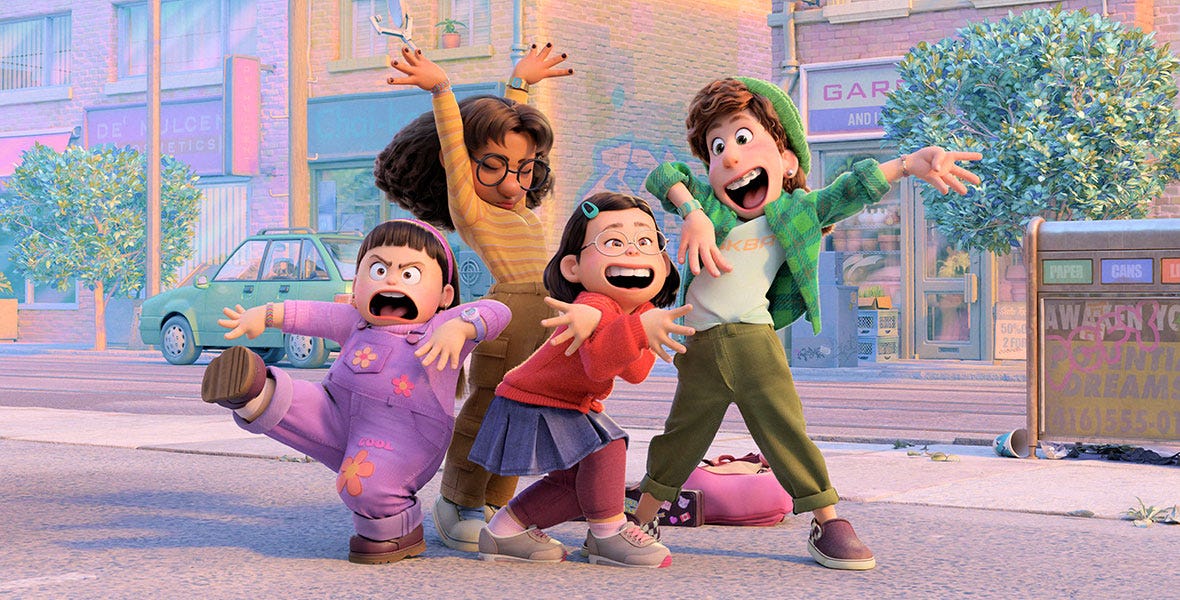
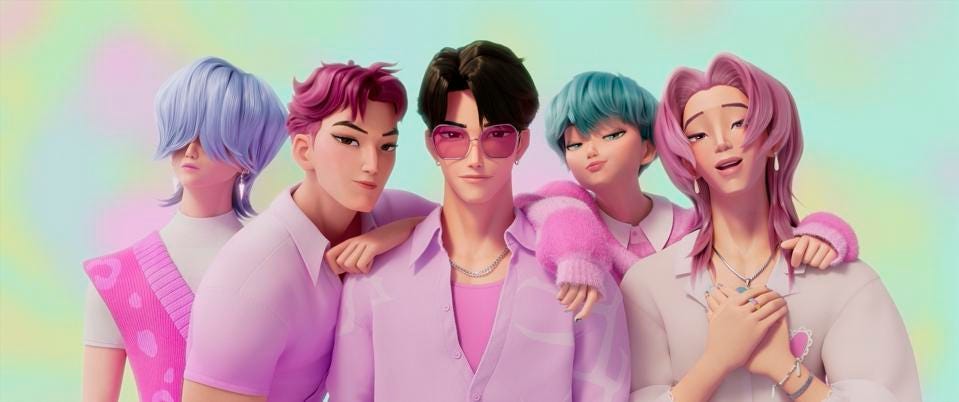
Both movies are silly, quirky, and visually stunning. Both feature hot boy bands and infectious soundtracks. But at their core, they share a powerful message about self-acceptance. While that message is universal, I felt especially connected to the protagonists’ struggles as an Asian woman who has had to do a lot of personal work to fully love and accept myself.
Lately, I’ve been thinking a lot about shame and rage - or really, the full spectrum of emotions we’re often taught to suppress. While burnout from work prompted some of this reflection, much of it has come from the inner work I’ve been doing to unlearn and challenge dysfunctional beliefs deeply rooted in my upbringing. Like many who grew up in Asian families, I was raised in an environment where emotions weren’t validated, sometimes not even acknowledged. Expressing emotion was seen as unproductive, even shameful.
Asian families often want the best for their children, but those good intentions can manifest in harmful ways: avoiding difficult topics, hiding what’s considered shameful, or disregarding emotions deemed inappropriate or detrimental to conventional success. This is especially true for Asian women, shaped not only by collectivist values but also by patriarchal systems that have persisted for generations. While patriarchy is a global issue - and very much still relevant in America - I’m specifically exploring how it manifests in Asian cultures based on my personal connection.
Growing up in Taiwan, I was taught that a “good girl” is polite, quiet, obedient, pale, skinny, and well-mannered. She plays the piano, never curses, and always greets people with a smile. These expectations came from my mother, my teachers, and the women around me - people who themselves were raised within these norms. And who can blame them? Just two generations ago, my great-grandmother (like many women of her time) had her toes broken and tightly bound with cloth until her feet were permanently deformed (look up foot binding). Many Chinese women in that era suffered excruciating pain and a lifelong walking disability because having small feet was considered beautiful and necessary to secure a husband. Marriage wasn’t just a tradition - it was the only path to survival, because women weren’t allowed to work or be anything beyond an accessory to a husband.
This kind of bodily mutilation imposed on women for the sake of male desire or control isn’t unique to China - it can be seen across cultures, from female genital cutting in parts of Africa and the Middle East, to Victorian-era corsets that reshaped women’s ribs, to modern day cosmetic surgeries driven by impossible beauty standards. Even today, the burden of birth control falls on women, who are expected to endure immense pain, hormonal imbalances, and invasive procedures like IUD insertions that can have serious health complications, while male-centered alternatives remain limited or underdeveloped. Just thinking about the massive gender inequality and the long-standing neglect of women’s pain in medicine makes me angry, but I digress.
While I reflect on my own cultural experience as an Asian woman, I’ve been particularly intrigued by the Cultural Revolution and Mao’s China. I recently went to Ai Weiwei’s exhibition at the Seattle Art Museum, and was inspired to read his memoir and a few other books about this specific era in China. While I’m deeply moved by Ai Weiwei’s lifelong activism and artistic defiance, I couldn’t help but notice how little his memoir mentions the women in his life. In the midst of a regime that brutalized millions, what happened to the women who raised children while their husbands were imprisoned or pursuing grand political ideals? How often were women’s dreams sidelined in favor of men's ambitions?
In this cultural context, it's no surprise that rage and shame are passed down through generations of Asian women. When a woman's value is reduced to serving her husband or fulfilling reproductive duties, there’s no space for her anger. That rage, suppressed and silenced, turns inward as shame.
We internalize every failure as a reflection of our inadequacy. We aren’t successful because we didn’t work hard enough. We can’t find a husband because we’re too loud, too fat, too much. If we’re cheated on or abused, it must be our fault for not being a good enough wife or mother. We’re told to keep our dissatisfaction quiet - because it wouldn’t matter anyway in a society where women are treated as second-class citizens. Female babies were aborted or sent away for adoption simply because families preferred sons, whose names carry on the family line.
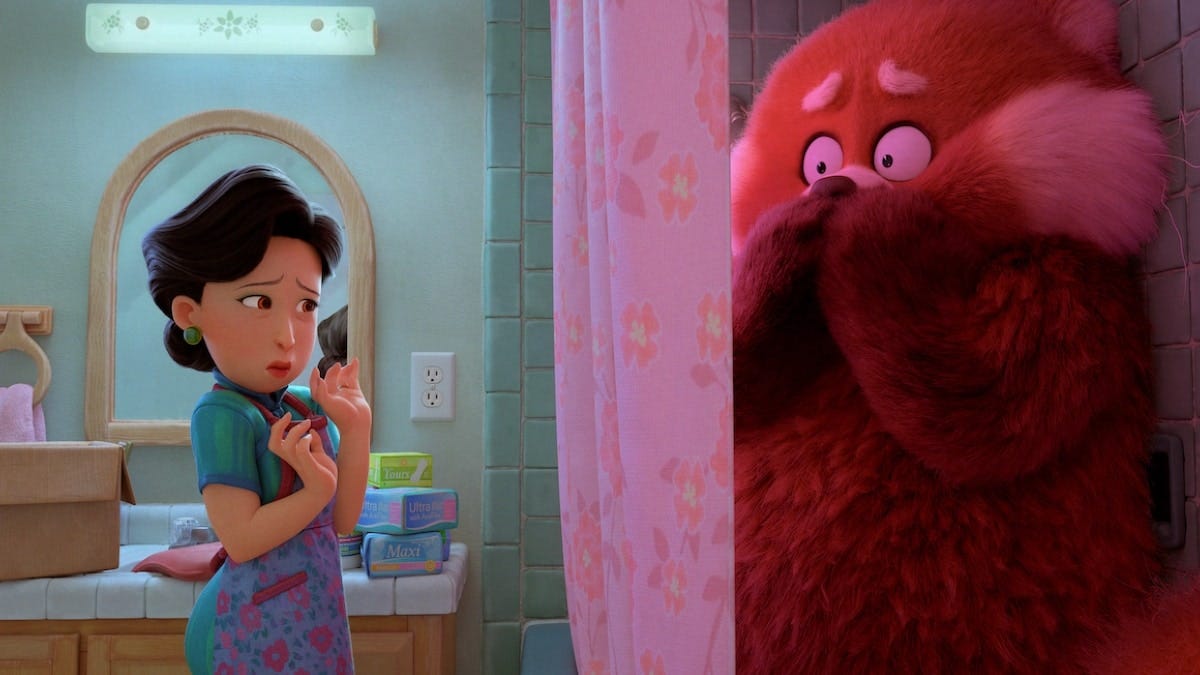
In Turning Red, the red panda is a metaphor for emotion - described as “inconvenient,” and passed down through the women in the Lee family. Mei’s mother and grandmother see it as a shameful family secret, something to hide. But Mei chooses to keep her panda, to break the cycle of trauma and embrace all parts of herself.
“We’ve all got an inner beast. We’ve all got a messy, loud, weird part of ourselves hidden away. And a lot of us never let it out. But I did. ”
— Mei Lee, from Turning Red
In KPop Demon Hunters, Rumi is only able to break her curse once she embraces her shame and imperfections, after a lifetime of being told to hide her truth.
We broke into a million pieces, and we can't go back
But now I'm seeing all the beauty in the broken glass
The scars are part of me, darkness and harmony
My voice without the lies, this is what it sounds like
Why did we cover up the colors stuck inside our head?
Get up and let the jagged edges meet the light instead
Show me what's underneath, I'll find your harmony
Fearless and undefined, this is what it sounds like— “What It Sounds Like,” from KPop Demon Hunters
I love both of these films because they portray Asian women as full, multifaceted human beings - messy, confident, cringy, funny, insecure, imperfect. They break the stereotype of the submissive, one-dimensional “quiet Asian girl.” Mei is silly and rebellious, but also a good student and loyal daughter. The Huntrix girls are fierce and talented, but also flawed and vulnerable. They are all of it. And I see myself in them - not just in their love for hot boy bands, but in their contradictions and complexity.
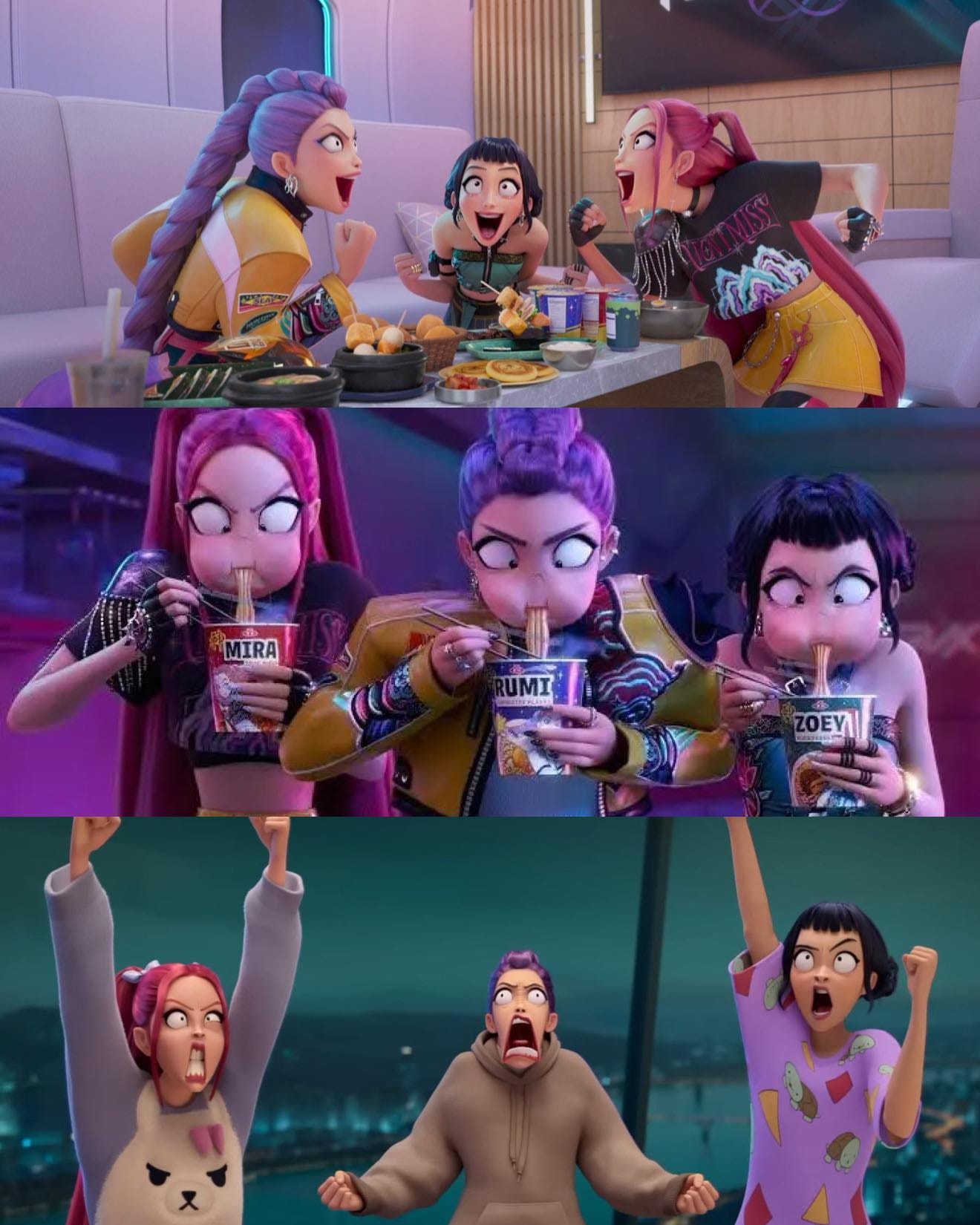
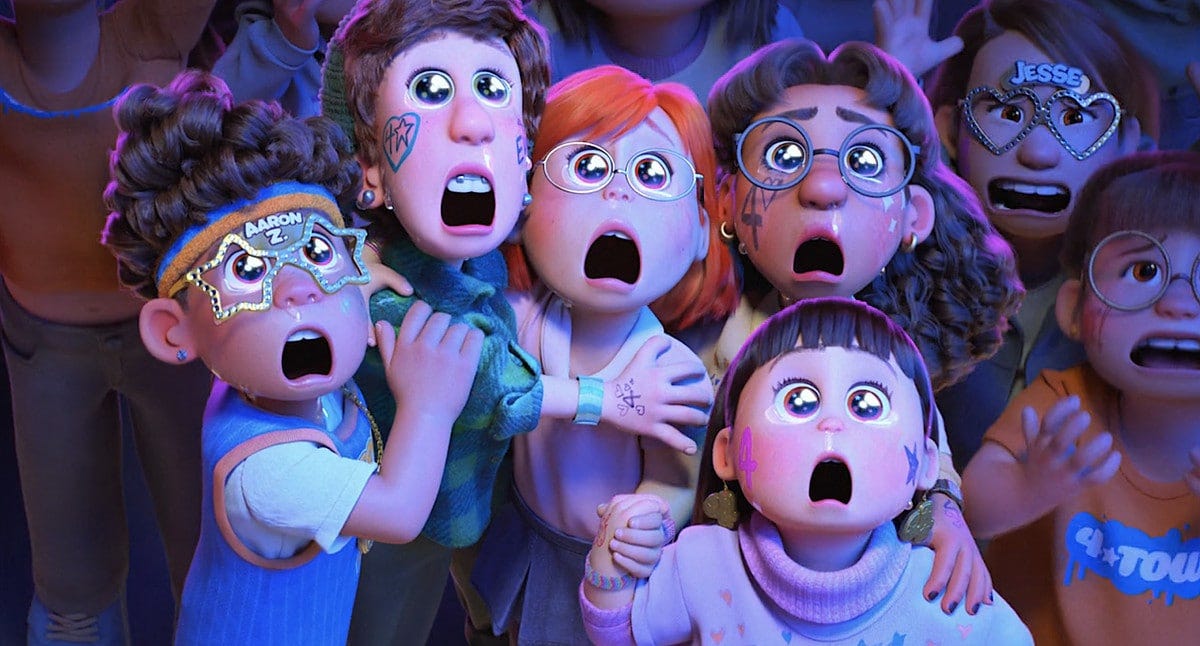
Reflecting on my own burnout, I realized I had been suppressing my inner rage - because I learned it wasn’t appropriate to express anger, especially in systems built on power imbalance. Like so many women before me, I swallowed injustice in silence. I was told (with good intentions) that speaking my truth would hurt my career, not help it. I watched people I respect stifle their voices, crushed by toxic environments. And I realized that to truly heal, I needed to leave any system that punished truth-telling and emotional honesty. Only by embracing my whole self - including my anger - could I reclaim my full potential.
Watching movies created by Asian female directors helped me reconnect with my inner child - the one who loves K-pop, who is awkward and insecure, but also brave and resilient. These stories helped me begin to embrace all of me. From now on, I made a promise to myself: I will no longer compromise in spaces that disrespect me. I can be angry without feeling apologetic. I will take up space to speak my truth. My voice matters and I won’t silence my opinions. I will look you in the eye and make you uncomfortable if you make me uncomfortable. I owe it to all the women before me who endured and survived in systems that erased their worth.
So for now, I’m back to obsessing over hot boy bands and processing my rage - but the difference is, this time I’m letting the world know about both ;)
Glad to receive your article.
A time for a reflection.
It’s true for many Asia women ( or any woman) in their growing process of fitting into society.
This is so powerful! I definitely feel like I’m going through this journey too in my own way. Anger is a powerful emotion- something that I learned in therapy is that anger is a clarifying emotion. It makes very clear what the things we care about are. Our anger is sacred and deserves so much love. It sounds like you’ve gotten so much clarity from being in touch with your anger too! 🔥